
NEWS
What is the UK tariff deal and Trump’s tariffs on individual countries?

Negotiations are continuing with a number of countries, including America’s top three trading partners. China, Canada and Mexico were warned they would face particularly high tariffs:
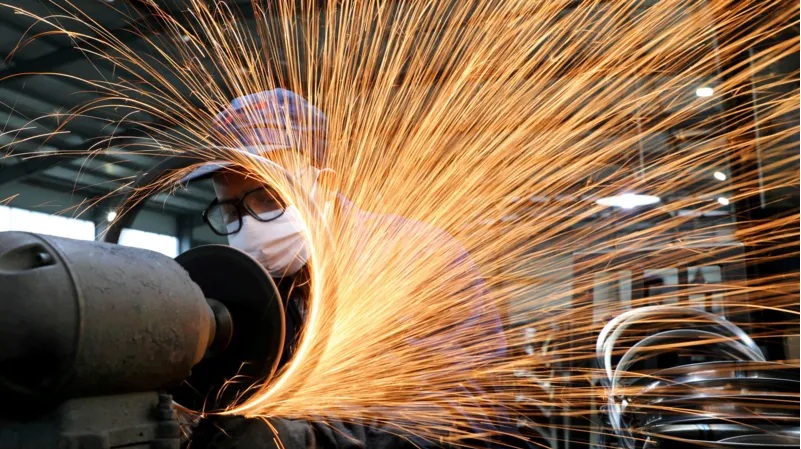
China and the US threatened tariffs on each other’s goods of more than 100% in the months after Trump took office, but extended a truce until November. On 30 October, after meeting President Xi Jinping, Trump said the two countries would sign a trade deal “pretty soon”. He announced an immediate end to the part of tariffs levied on Chinese goods over concerns about Beijing’s failure to stop the flow of ingredients used to make fentanyl. However, it is not clear which other duties will remain, or at what level.
Canada is facing 35% tariffs on its goods – although most are exempt under the existing United States-Canada-Mexico (USMCA) free trade agreement. Canada is affected by the blanket 50% levy on imported metals and 25% on non-US automobiles. On 25 October, Trump said he was suspending trade talks and would increase Canada’s levies “by 10% over and above what they are paying now”, after the country broadcast an anti-tariff advert.
Mexico is facing 30% tariffs on its goods, plus the sector-specific levies and a 25% fentanyl tariff. However, like Canada, most of its goods are exempt under the USMCA. The tariffs were put on hold until the end of October to allow time to strike a deal. On 27 October, Mexican President Claudia Sheinbaum said she and Trump had agreed to extend this deadline by “a few more weeks”
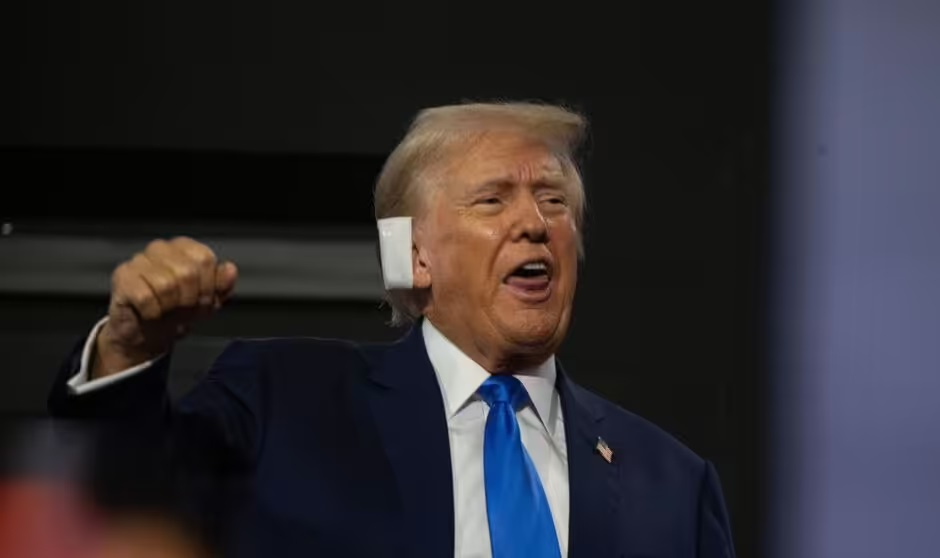
A patchwork of different rates is in place for other countries. Many of these stem from Trump’s announcement in April that a “baseline” of 10% would apply to imports from all countries. Nations considered the “worst offenders” would face higher rates, as payback for unfair trade policies. New tariff rates for dozens of countries were subsequently introduced in August, after delays to allow for trade talks.
These include:
50% tariffs on Indian goods – including a 25% penalty for trade with Russia
50% tariffs on Brazilian goods
30% tariffs on South African goods
20% tariffs on Vietnamese goods
15% tariffs on Japanese goods
15% tariffs on South Korean goods
15% tariffs on most EU goods
What is the UK tariff deal?
At 10%, the UK has negotiated the lowest US tariff rate so far of any country that has struck a deal with Trump. It exported about £58bn of goods to the US in 2024 – mainly cars, machinery and pharmaceuticals. The 10% rate applies to the first 100,000 UK vehicles exported every year – roughly the number of cars sold in 2024. Additional vehicles face the standard 25% tariff.
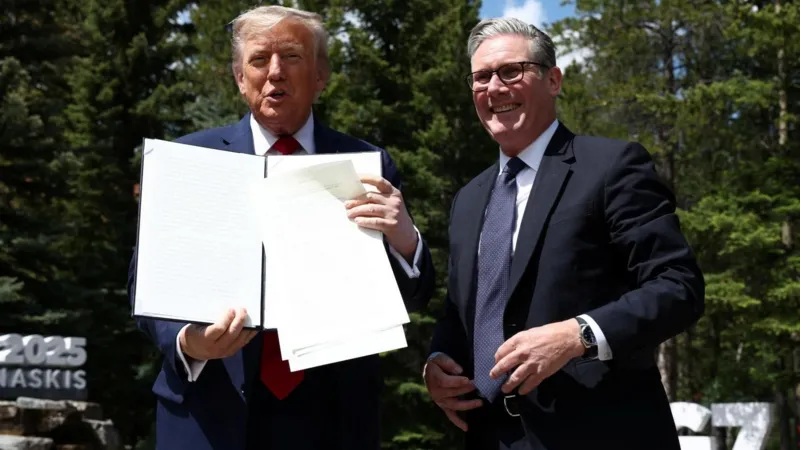
The agreement also lets the two countries sell beef to each other. Some US ethanol will face 0% tariffs, instead of 19%. Trump announced “the deal was done” in June, but did not confirm the expected removal of all charges on steel imports from the UK. The UK is the only country which does not face 50% tariffs on steel and aluminium. It pays 25% instead. The BBC understands the plan to eliminate tariffs on UK steel exports entirely has now been put on hold. However, speaking to reporters ahead of his second state visit to the UK in September, Trump said said he was “into helping” Britain fine-tune the deal.




Trump wants to cap credit card interest rates at 10%. Would that work?

How US sanctions crippled lives of Iranians Trump says he wants to ‘help’

Jennifer Lopez has a strong message for any guy hoping to date her

Serena Williams has shut down rumours about her person

Why Patrick Mahomes is fined $14K by NFL

Patrick Mahomes Makes Decision for Travis Kelce, Chiefs’ Final Game of NFL Season

Serena Williams accuses umpire of sexism after outbursts in final

Kim Kardashian Slammed As ‘Gross’ And ‘Irresponsible’ For this Singular Act

Kate Beckinsale bursts into tears as she reveals sad reason behind weight loss

Jennifer Lopez Hit With Cheating Accusations In Brutal Rebuttal Message From Ex-Husband

Why has Trump ordered strikes in Nigeria and what has it got to do with the persecution of Christians?
